
By Micah Walsh
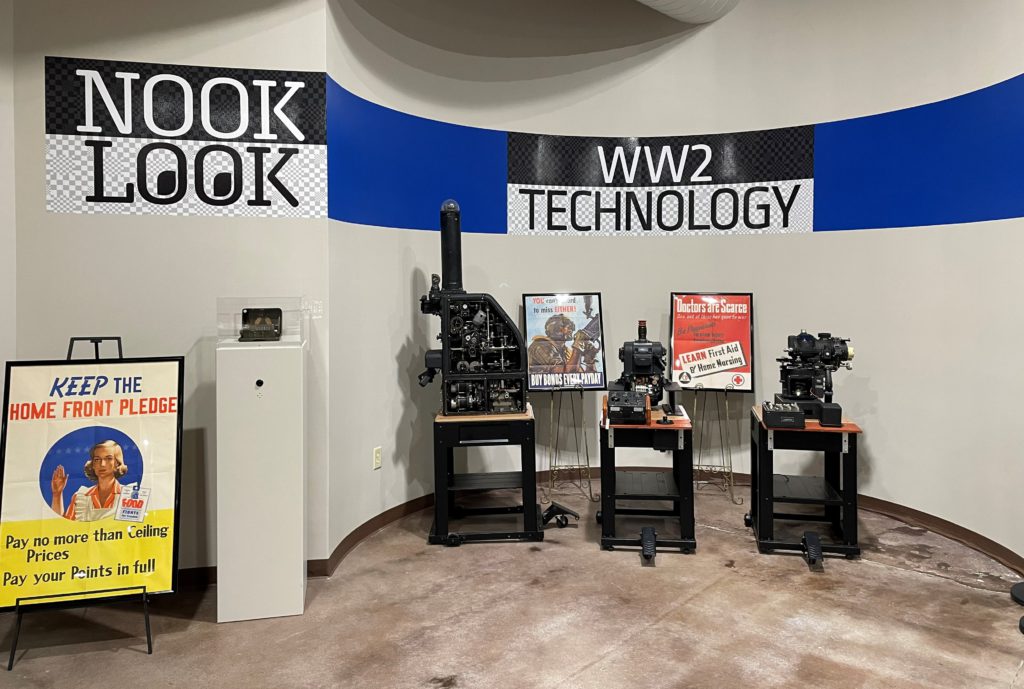
WWII Bombsight Technologies
At the onset of WWII, the need to make use of aircraft in the war effort was clear. Using aircraft to destroy enemy targets from above presented an opportunity to avoid the quagmire of trench warfare still haunting generations from WWI. However, advancements in aircraft technology created a need for precision devices that could accurately hit enemy targets from higher altitudes and at greater speeds than ever before.
Prior to WWII, aircraft were used to bomb enemy targets. The first recorded instance of bombs being dropped onto a city from the air occurred in August 1914, when a German Zeppelin bombed the Belgian city of Liège. During WWI, planes needed to fly at low altitudes to perform bombing runs, which had the adverse effect of putting them in range of anti-aircraft guns on the ground. Additionally, early bombsights were inaccurate. This meant that bombing of enemy territory was more psychological warfare than an effort to destroy specific targets. Ultimately, these factors also meant that civilian casualties were often high.
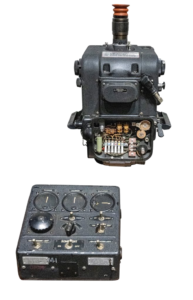
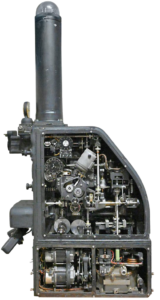
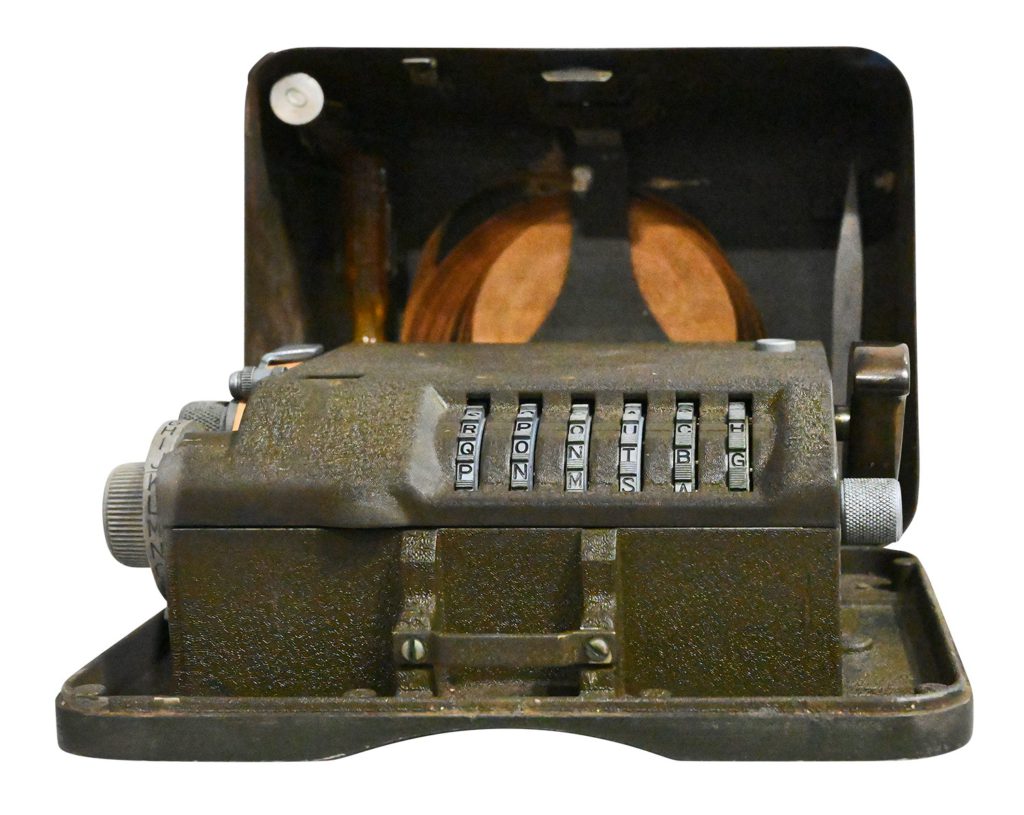
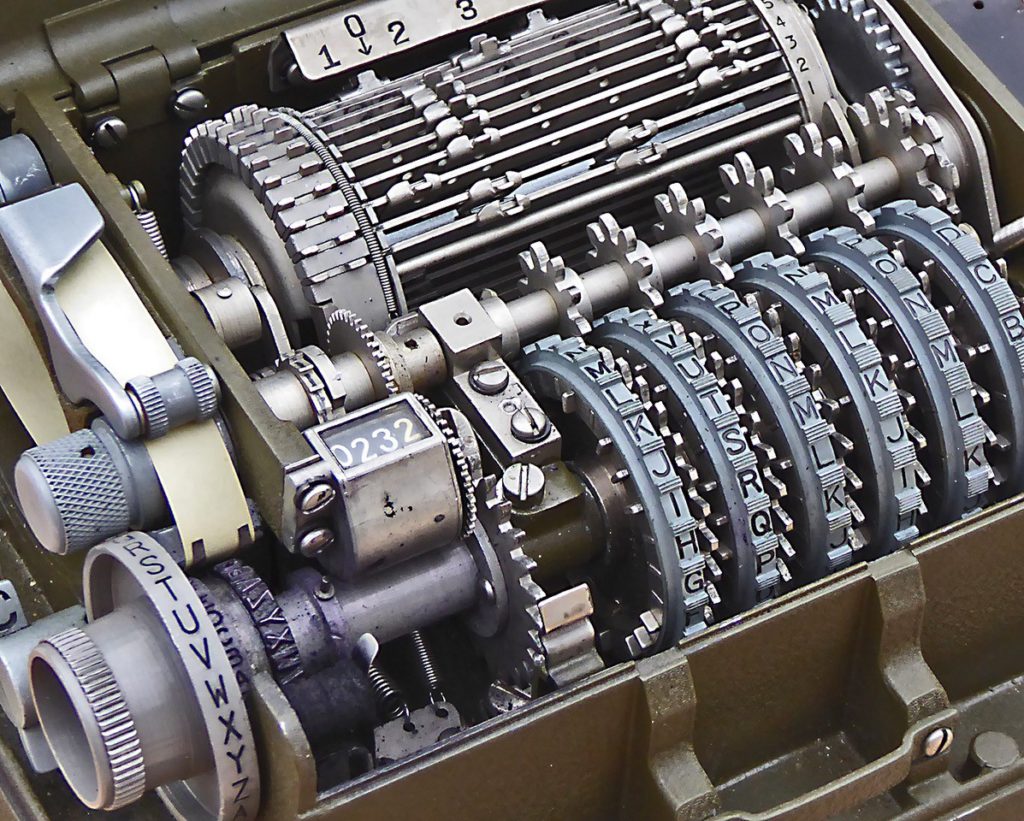
The need for more accurate bombsights at the outset of WWII was clear. To achieve precision, new bombsights would need to take into account many factors, including speed and altitude of the plane, altitude of the target, air resistance on the bomb, not to mention the pitch and roll of the aircraft which may shift due to circumstances in battle. To meet this need, companies such as Sperry and Norden would create bombsights with many new advancements. These improvements, combined with the autopilot function, would create devices widely used in a variety of aircraft throughout WWII.